As the world grapples with the realities of plastic pollution, companies across industries are looking for ways to reduce their contributions to the plastic crisis — and the hygiene industry is no exception.
From diapers to wipes, feminine-care products to adult incontinence, the hygiene industry is adopting bio-based materials and advancing fossil-free innovations to meet consumers’ sustainability expectations, comply with government regulations and stay competitive, all while new technologies make it possible to balance product performance with eco-friendliness.
Diapers
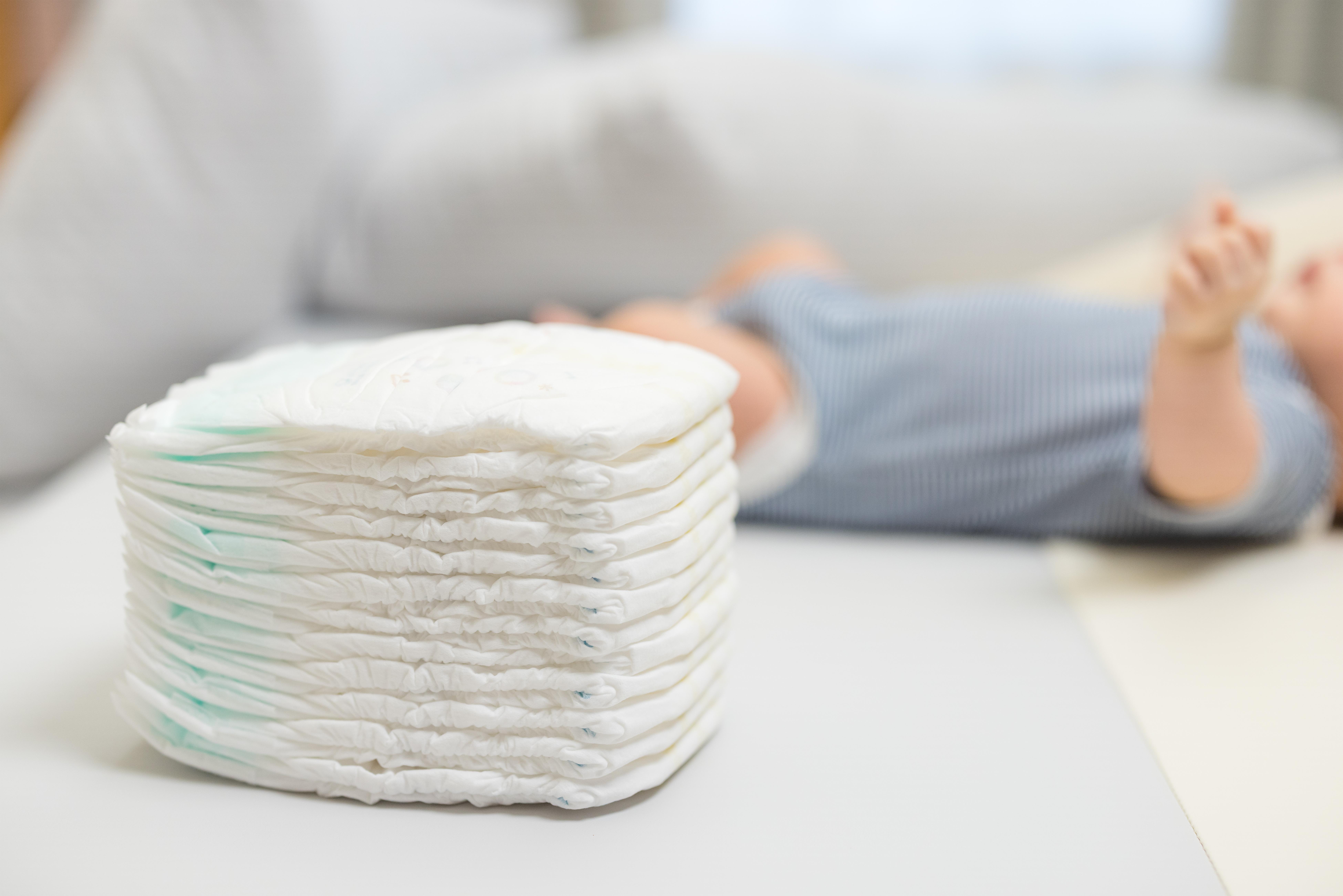
Every minute, more than 300,000 disposable diapers around the world are incinerated, sent to landfills or pollute the environment, according to the World Economic Forum. That makes diapers one of the biggest contributors to plastic waste globally, and diaper manufacturers are searching for bio-based solutions.
● In July 2025, Ontex Group introduced a bio-based superabsorbent polymer (bioSAP) in selected Moltex Pure and Nature diapers. Superabsorbent polymer, or SAP, is essential to diaper performance, but it is traditionally made from fossil-based plastic, and it is also one of the most carbon-intensive components in hygiene products. Ontex’s new material replaces virgin fossil-based plastic SAP in the core absorbent component, reducing the carbon footprint by 15% to 25% while maintaining performance.
● ZymoChem has launched BAYSE, which it claims to be the world’s first commercially viable, 100% bio-based and biodegradable SAP. While the company doesn’t make diapers, it is using a special sugar fermentation process to make biodegradable absorbent cores and plans to sell its drop-in absorbents to other companies.
● Other major producers like BASF, Evonik and Nippon Shokubai are pursuing bio-based SAP made from feedstocks such as cellulose, corn starch or sugarcane, according to a report by P Market Research. BASF’s lignin-based SAP prototype, Luquafleece, which uses 90% renewable carbon, is in pilot-stage partnerships with major diaper brands, including Pampers. Nippon Shokubai is pursuing 30% bio-based SAP by 2025, leveraging lactic acid from biomass.
Beyond using bio-based materials to make the production of diapers better for the environment, companies are introducing new ways to make disposing of diapers more eco-friendly.
● This spring, Austin, Texas-based start-up Hiro Technologies unveiled MycoDigestible Diapers, which use plastic-eating fungi to break the material down much faster in landfills. Each MycoDigestible Diaper comes with a packet of fungi to be added to the dirty diaper before it is thrown in the trash. The fungi are activated by moisture from feces, urine and the environment to begin biodegradation.
● In May, Cottonsie launched a disposable cotton diaper that replaces plastic with 100% breathable cotton in top and back sheets, the acquisition distribution layer and core wrap. The diaper is mostly plant-based, and 82% of it biodegrades within 18 months.
Wet Wipes
Conventional wet wipes are primarily made of plastic, such as polypropylene or polyester fibers, to provide wet strength and a soft texture. But these synthetic fibers do not biodegrade and can break down into microplastics, contributing to environmental pollution.
The EU Single-Use Plastics Directive (SUPD), which was passed in 2019 to reduce plastic waste and tackle environmental pollution, focuses on single-use items commonly found in the environment, including wet wipes and feminine hygiene products. The SUPD doesn’t ban these products, but it does carry certain labeling requirements informing consumers about the presence of plastic and providing information about proper disposal to discourage littering or flushing of products.
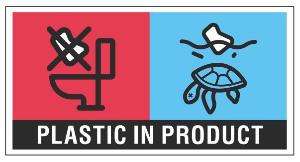
The U.K. government, however, aims to ban wet wipes containing plastic, and Wales was the first to do so, passing a ban on consumer sales of wet wipes made with plastic that takes effect in December 2026. While the Welsh government was the first in the U.K. to approve a ban, administrations in England, Scotland and Northern Ireland have previously announced their intention to ban wipes in line with the proposed U.K.-wide policy.
Nice-Pak International, which produces private-label wet wipes for leading retailers, “took action well before legislation demanded it,” a company executive recently said, adding that, in 2024, 96% of the wipes Nice-Pak produced for the U.K. market were plastic-free.
While the U.S. government hasn’t banned any hygiene products (and neither have any U.S. states), the U.S. House of Representatives in June passed the Wastewater Infrastructure Pollution Prevention and Environmental Safety (WIPPES) Act that would requires wipe manufacturers to label their products as non-flushable to protect the environment and to protect wastewater infrastructure from damage. Massachusetts also recently introduced MA H945, a proposed bill that would require clear and prominent “Do Not Flush” labeling on non-flushable wet wipes to prevent costly clogs in municipal wastewater systems.
To prepare for possible government bans as well as shifting consumer demand, manufacturers are looking for bio-based alternatives to synthetic fibers used in wipes.
● Sontara EC Green Cotton wipes were named a finalist for the 2025 World of Wipes Innovation Award. Made from a proprietary blend of 100% naturally derived, biodegradable fibers, including pure unbleached TruCotton and sustainably sourced wood pulp, the nonwoven wipes deliver superior absorbency, low lint and a visibly natural aesthetic, making them ideal for industrial and critical cleaning environments.
● Harper Hygienics entered the senior-care segment in August when it launched Harper Care by Cleanic. In addition to Adult Care Underpads with an absorbent layer made from natural materials, the line includes Adult Care Wipes, made from a 100% natural-origin nonwoven that’s enriched with flax fibers.
● Aterian launched Squatty Potty Flushable Wipes in the U.S. in September, marking the company's foray into the consumable products market. The wipes are made with 100% plant-based fibers and feature a 99% water and plant-based formula.
● Lenzing’s specialty nonwovens brand, VEOCEL, debuted VEOCEL Lyocell fibers for Enhanced Cleaning at World of Wipes in July. The wood-based cellulosic fibers offer an alternative to fossil-based synthetics and contribute to the reduction of avoidable plastic waste in wipe applications.
However, even as brands push forward with bio-based alternatives, there is some uncertainty about whether natural fibers are, in fact, better for the environment than synthetic fibers. In November 2024, Bangor University published a study that found natural fibers in wet wipes, such as viscose and lyocell, may be worse for earthworms than polyester fibers. As one researcher said, “Bio-based fibers may [be] better at production time, because they’re not based on fossil fuels, but there’s no clear vision on whether they’re better at degradation time.”
Feminine Hygiene
A growing range of femcare brands are demonstrating the variety of bio-based materials that can be used in feminine hygiene products, from organic cotton and hemp to sugarcane-based applicators and plant-derived packaging materials.
Brands like Cora, Daye and Flo feature plant-based tampon applicators made from sugarcane biopolymer, but much of the innovation in feminine care has come from replacing absorbent wood-based pulp with pulp derived from non-tree sources, like bamboo, banana fiber, sisal and agave, for example.
● Harper Hygienics’ Cleanic Naturals Hemp line features sanitary pads and pantyliners made with Sero regenerative hemp fibers produced by Bast Fibre Technologies and processed on Harper’s Hemplace technology platform. Hemp’s antibacterial and hypoallergenic properties make it a natural solution for sensitive skin, and the 100% natural hemp fibers offer an eco-conscious approach to personal care.
● Danish femcare start-up Mewalii has also introduced period pads crafted from Sero regenerative hemp fibers without the use of cotton.
● In June, UK bamboo tissue products maker The Cheeky Panda expanded into the period-care segment with its launch of a range of biodegradable pads and liners. The “super-absorbent” bamboo, which is also featured in the products’ top layer, replaced the synthetic polymers typically used in pads.
Staying Ahead with Industry Intelligence Inc.
In the fast-moving, fast-growing hygiene category, manufacturers and brands need to anticipate, adapt and act. Market leaders will navigate policy shifts, consumer demands, and supply chain complexities with agility.
Your Next Moves:
● Track Shifting Laws: Our Legislation Monitor keeps you abreast of state and federal legislative changes well before compliance deadlines approach.
● Spot Trends Early: Our 360-Degree Market Drivers Report identifies emerging trends across supply chain, consumer behavior, and competitive activity—giving you a panoramic view of what’s next.
● Customize Your Market Intelligence: Get insights tailored to your portfolio and unique business drivers. Contact us for a consultative demo.